

An environmental portrait captures a person within their natural setting, whether that’s a chef in their kitchen, a musician on stage, or a couple in the place where they first met, showing not just what they look like, but who they are. Unlike traditional portraits that isolate the subject against a plain backdrop, environmental portraiture weaves context, story, and personality into every frame by using location as a powerful storytelling tool. The result is an image that feels authentic, layered, and deeply personal.
This technique has become essential across every genre of photography we practice, from capturing a bride getting ready in her childhood bedroom to photographing a CEO in their corner office or a family in their backyard where their children took their first steps. The setting becomes more than scenery. It becomes character, memory, and meaning.
Creating compelling environmental portraits requires more than technical skill. It demands the ability to see how light plays across familiar spaces, to understand what elements in a room reveal something true about your subject, and to direct people in a way that feels natural rather than posed. You’ll need to balance the subject with their surroundings, ensuring neither overwhelms the other, while capturing genuine emotion and connection.
In this guide, we’ll walk you through everything you need to create environmental portraits that tell rich, memorable stories. You’ll learn how to scout and prepare locations, work with available and supplemental light, direct your subjects with confidence, and compose images that honor both the person and the place they call their own.
What You’ll Need for Environmental Portraits

Your camera bag for environmental portraits looks different from a studio setup, you’re packing for versatility and mobility while still maintaining professional quality. The gear you choose directly affects your ability to tell a complete story, capturing both the person and the place that defines them.
Camera Body and Lenses
A full-frame or crop-sensor camera with reliable autofocus serves you well across wedding venues, family homes, and corporate offices. The real storytelling power, though, lives in your lens choices. You need focal lengths that include meaningful context without distorting your subject’s features.
- Camera body with strong low-light performance (many meaningful locations have mixed or challenging lighting)
- 24-70mm f/2.8 zoom lens for flexible framing and quick adjustments
- 35mm f/1.4 or f/1.8 prime for natural perspective that shows environment while maintaining subject prominence
- 50mm f/1.4 or f/1.8 for tighter environmental shots where context matters but shouldn’t overwhelm
- Speedlight or portable LED panel for supplementing ambient light
- Collapsible reflector (5-in-1 preferred) for bouncing natural light in dim interiors
- Extra batteries and memory cards, changing locations means fewer opportunities to recharge
Wide-angle lenses (16-35mm range) can work beautifully when you want dramatic environmental context, but use them carefully with people, distortion at the frame edges can be unflattering, especially for corporate headshots where professionalism matters.
Lighting and Support Gear
Natural light forms the foundation of most environmental portraits, but you’ll need ways to shape and supplement it. A speedlight with a wireless trigger lets you add fill light in shadowy church corners or balance harsh office fluorescents. Continuous LED panels work brilliantly when you’re directing subjects through movement in their space, since they can see exactly how the light falls.
Pack a lightweight reflector that collapses small, silver for adding punch in flat light, white for gentle fill, gold sparingly for warmth. In a family’s living room or a couple’s favorite café, you’re often working in tight quarters where a reflector beats hauling in light stands.
Your lens choice also guides conversations about what to wear clients dressed in solid, complementary colors let the environment’s textures and details shine through without competing for attention. The right gear prepares you technically; thoughtful planning ensures every element tells the same story.
Before You Shoot: Planning and Safety Considerations

The story behind an environmental portrait begins long before you raise your camera. The difference between a forgettable snapshot and an image that resonates for decades often comes down to how thoroughly you’ve prepared. When you understand the location’s significance to your subject, whether it’s the café where a couple had their first date or the workshop where a craftsman has spent thirty years, you’re not just finding good light, you’re uncovering narrative.
Start with a conversation, not a location scout. Ask your clients which spaces hold meaning for them. A corporate executive might light up describing the factory floor where they started their career. Newlyweds often want to return to the spot where they got engaged. Families have kitchens where generations have gathered. These details transform environmental portraits from staged photos into genuine reflections of people’s lives. For wedding clients exploring unique celebration spaces, our weekend venue guide can help identify locations that already carry emotional weight.
Once you’ve identified meaningful locations, visit them without your camera. Notice how light moves through the space at different times of day. Identify potential compositions, a doorway that frames your subject, a window that floods the room at golden hour, architectural elements that add context without clutter. Look for physical hazards: uneven flooring, low-hanging fixtures, electrical cords, or areas where you might need to position equipment. If you’re shooting outdoors, consider seasonal changes and how weather might affect both comfort and visual storytelling.
Build contingencies into your plan. Weather can shift, key locations might become unexpectedly unavailable, or lighting conditions may differ from your scout. Identify backup spots nearby that could work if your primary location falls through. For outdoor sessions, have an indoor alternative. For family shoots in their home, know which rooms offer the best light if your first choice isn’t working. This preparation isn’t pessimism, it’s professionalism that protects your clients’ investment and your reputation when circumstances change.
Step-by-Step: Capturing Compelling Environmental Portraits

Composing the Frame: Balancing Subject and Environment
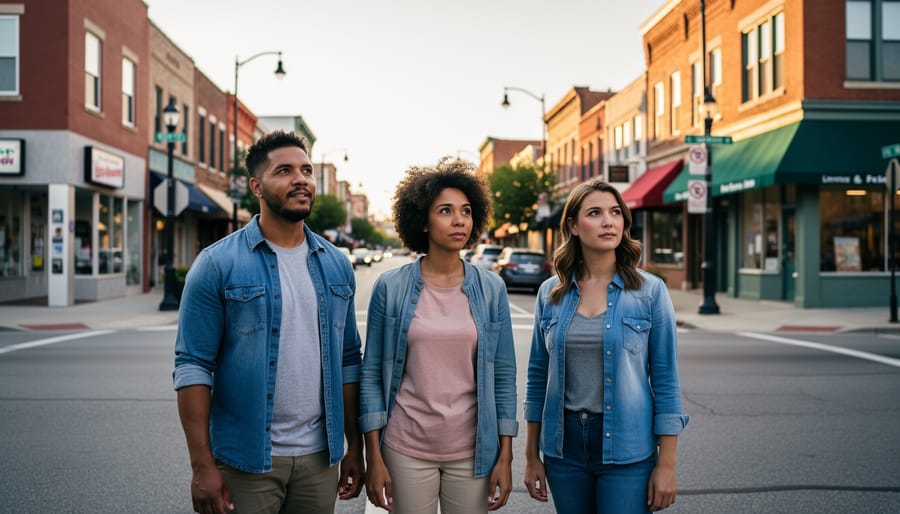
The environment should tell part of the story, but your subject remains the heart of it. Start by asking what matters most in this particular portrait, are you capturing a bride’s quiet moment in her childhood church, or documenting an entrepreneur whose entire workspace speaks to their journey? That answer shapes your frame.
When context drives the narrative, pull back. A wide composition works beautifully at locations like Scarborough Bluffs where dramatic cliffs and water add scale and emotion to engagement portraits. Position your subject using the rule of thirds, place them at an intersection point rather than dead center, letting the environment breathe around them while maintaining visual balance.
For intimate stories where personality takes precedence, tighten your frame. A corporate headshot in someone’s studio might show just enough equipment or artwork to convey their profession without overwhelming their expression. The environment still matters, but it serves as supporting detail rather than co-star.
Look for leading lines that guide the viewer’s eye naturally toward your subject. Hallways, fences, architectural elements, even the curve of a shoreline, these create visual pathways that strengthen composition without competing for attention. When lines converge on your subject, the frame feels intentional rather than accidental.
Frame within the frame adds layers without clutter. Doorways, windows, tree branches, and archways create natural borders that focus attention while adding depth. This technique elevates your wedding photography skills by turning ordinary venues into dimensional storytelling spaces.
Test different perspectives before settling on your composition. Shoot from eye level, then crouch low or step onto something elevated. Small shifts in camera position dramatically change how much environment appears and how your subject relates to their surroundings. The right balance feels effortless, as though person and place naturally belong together.
Working with Natural and Artificial Light
Light shapes story. In meaningful spaces, a chapel where vows will be spoken, a grandmother’s kitchen where recipes pass down, an executive’s corner office, you’ll encounter light that’s already telling part of the tale. Your job is to read it, respect it, and enhance it when needed.
Start by observing the existing light for five minutes before touching your camera. Notice where it falls, what it reveals, what it hides. In a church, stained glass creates colored pools that anchor a couple’s faith story. In a family home, window light streaming across worn furniture shows decades of life. These natural patterns deserve to lead your composition.
When ambient light isn’t enough, supplement thoughtfully. A small off-camera flash bounced off a nearby wall preserves the room’s character while filling shadows on your subject’s face. Position it to mimic the direction of existing light, if window light comes from the left, place your flash left as well. This maintains the environment’s natural feel rather than announcing “studio lighting was here.”
Mixed color temperatures plague indoor spaces. Offices blend fluorescent overhead with warm desk lamps. Family rooms mix daylight windows with tungsten fixtures. Choose your dominant light source and set your white balance to match it, then use gels on your flash to blend seamlessly. A CTO gel on your flash warms it to match household bulbs; a green gel helps it disappear under office fluorescents.
For harsh shadows, common in bright offices or sunny porches, a reflector positioned opposite your main light source softens without overpowering. The environment stays authentic while your subject remains beautifully lit within it.
Directing Your Subject for Authentic Moments
The difference between a stiff, awkward portrait and one that feels alive often comes down to how you guide your subject. Most people freeze when they see a camera, especially in unfamiliar professional contexts. Your job isn’t to pose them like mannequins, it’s to help them rediscover comfort in a space that already means something to them.
Start by giving small, specific actions rather than abstract directions. Instead of “look natural,” ask a bride to adjust her veil in the church doorway where she’ll walk through in an hour, or have a CEO review notes at the conference table where they lead weekly meetings. Physical tasks quiet the mind’s self-consciousness. When a father touches the piano his daughter practices on, or a couple leans against the café counter where they had their first date, their hands and bodies remember how to be themselves.
Watch for the moments between your directions. The real magic often happens in the pause after someone completes an action, when they exhale, glance at their partner, or smile at a memory the environment triggers. Keep your camera ready and shoot continuously through these transitions. The anxious groom who can’t hold a pose might relax completely when you ask him to walk his usual path through the venue, checking details.
For corporate professionals particularly uncomfortable with cameras, anchor them in their expertise. Have them demonstrate something they do daily, pointing to a blueprint, typing at their desk, consulting with a colleague. Competence breeds confidence, and that confidence reads as authenticity in the frame.
Speak warmly and casually throughout. Silence makes people aware they’re being watched. A steady stream of gentle encouragement, “That’s perfect, just like that,” “Beautiful light on you right there”, keeps them engaged with you rather than worrying about the lens. The relationship you build in these moments creates portraits that feel less like documentation and more like intimate storytelling.
Reviewing Your Results and Next Steps
The most meaningful review happens while you’re still on location. Before you pack up, zoom in on your LCD screen and check three critical elements: Is your subject’s face sharp and properly exposed? Does the environment clearly support rather than overwhelm their story? Can you identify what makes this location meaningful within the first three seconds of viewing the image? If any answer is no, reshoot while you have the opportunity.
During your formal review session at your computer, examine the relationship between subject and setting in each frame. The best environmental portraits create a visual conversation between person and place, your bride touching the church pew where her parents married, the CEO leaning against the machinery that built their company, the child reading in the window seat that’s been their refuge for years. Look for images where the environment provides context without competing for attention, where your subject’s expression or gesture connects authentically to their surroundings.
Technical quality matters, but it serves the story. Check for distracting elements in the background, uneven lighting that separates subject from environment rather than unifying them, and color casts that undermine the mood. Your exposure should allow viewers to read both the subject’s face and the meaningful details around them.
When selecting images for a wedding album or corporate portfolio, choose frames that reveal character through context. Include at least one environmental portrait that shows the full scene, then tighter variations that emphasize connection. Share multiple options with clients during review sessions, asking which images resonate most strongly, their emotional response often identifies the frames that truly succeeded in storytelling.
Refine your technique by studying which environmental choices worked. Did natural window light create intimacy in the family home? Did the workshop setting authenticate the craftsperson’s expertise? Note what to replicate and what to adjust for your next shoot.
Applying Environmental Portraits Across Photography Services
Environmental portrait photography transforms how you serve each client segment, revealing personality through place in ways that resonate deeply with different audiences.
For wedding clients, ceremony and reception venues become more than backdrops, they’re chapters in the couple’s story. Capture the bride adjusting her veil in the church doorway where her parents married, or photograph the groom checking his watch in the historic ballroom where they first danced. Scout meaningful locations from their relationship: the coffee shop where he proposed, the hiking trail where they fell in love, the family farm hosting the celebration. These environmental portraits ground the wedding day in real emotional geography, creating images that feel intimate rather than staged. Position couples naturally within these spaces, leaning against the bar where they met, walking through doorways together, touching objects that hold significance.
Family portraits gain depth when you move beyond studio settings into generational spaces. Photograph grandparents on the porch they’ve occupied for forty years, with worn rockers and potted geraniums telling decades of daily life. Capture siblings in the treehouse they built together, or a mother cooking in the kitchen that’s fed three generations. Home environments reveal family dynamics in honest, unguarded ways. Favorite parks and gathering places work beautifully too, photograph families at the beach they visit every summer, surrounded by dunes and weathered beach chairs that anchor memories.
Corporate headshots shift from sterile to compelling when you photograph professionals in their actual workspaces. The architect at her drafting table, surrounded by blueprints and scale models, conveys expertise more powerfully than any gray backdrop. Capture the chef in his kitchen mid-prep, the surgeon reviewing scans in her office, the craftsman at his workbench with tools he’s used for years. These workplace environments communicate competence and personality simultaneously, creating professional portraits that feel authentic rather than generic. Balance enough context to establish credibility without cluttering the frame or distracting from the subject’s presence.
Common Questions About Environmental Portrait Photography
When should I choose environmental portraits over traditional portraits?
Choose environmental portraits when the location itself adds meaningful context to the subject’s story, a chef in their restaurant kitchen, a couple at the venue where they met, a family in the home where generations have gathered. If the place reveals character, profession, relationship, or identity, it strengthens the portrait beyond what a neutral backdrop could achieve.
How do I handle cluttered or unflattering environments?
Use selective focus with a wider aperture to blur distracting backgrounds while keeping context recognizable, position your subject to block problem areas naturally, or shift your angle to emphasize cleaner portions of the space. Sometimes the “clutter” tells an authentic story, a busy desk reveals a working professional, family photos on walls show a lived-in home, so consider whether tidying erases meaningful character.
What if the client doesn’t have a meaningful location in mind?
Ask guided questions during your consultation: Where do you spend your happiest moments? What space feels most like “you”? For weddings, explore their relationship history, first date spot, favorite coffee shop, the park where they walk together. For corporate clients, their actual workspace almost always works better than a generic office setting, revealing personality through book choices, artwork, or tools of their trade.
How much of the environment should be visible in the frame?
There’s no fixed rule, but aim for enough context to tell the story without overwhelming the subject. A corporate headshot might show just enough office detail to convey professionalism, while a family portrait in their garden could go wider to capture the full space they’ve cultivated together. Let the emotional weight of the location guide your composition, if the place matters deeply, show more of it.
Beyond these common questions, many photographers wonder whether environmental portraits require more time than traditional sessions. They typically do, because you’re crafting two elements, subject and setting, into a cohesive image. Build extra time into your schedule for adjusting to ambient light conditions, moving through different areas of a location, and helping clients settle into spaces that might feel less formal than a studio backdrop. That investment pays off in images with deeper resonance.
The studio question deserves special attention. You can absolutely create environmental-style portraits in a controlled space by bringing meaningful objects, furniture, or profession-specific props into the frame. A musician with their instrument against a textured backdrop, a baker surrounded by their tools and finished loaves on a rustic table, these constructed environments can tell stories when an authentic location isn’t available. The key is intentionality: every element visible in the frame should contribute to understanding who this person is, not just fill space decoratively. The environment, whether found or built, should always serve the story you’re telling together.
Environmental portrait photography transforms the way you connect with your clients and tell their stories. By placing subjects in the spaces that shape their lives, whether that’s the church where they’ll exchange vows, the sunlit kitchen where three generations gather, or the office where they built their career, you create images that resonate far beyond a simple headshot. These photographs don’t just capture how someone looks; they reveal who they are.
Every location holds narrative potential. That weathered barn isn’t merely a backdrop for engagement photos, it’s where your clients shared their first picnic. The corporate conference room isn’t just office space, it’s where your subject leads their team through challenges and triumphs. When you train your eye to see character in context, you give clients something irreplaceable: visual proof of the moments and places that matter most.
Start small. Choose one upcoming session and ask yourself what environment would add meaning to the portrait. Scout it with fresh eyes. Notice the light, the textures, the elements that whisper something about your subject’s story. Then bring your technical skills and your heart to the shoot.
The difference between a good portrait and an unforgettable one often lives in the details we choose to include. Make those details count.