
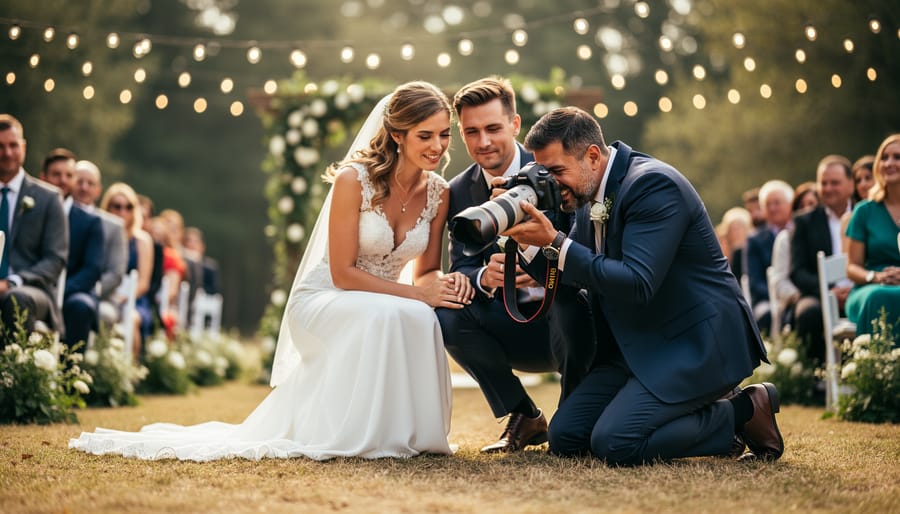
Wedding photography on a sub-$10,000 budget usually lands somewhere between a modest slice and a meaningful chunk of your total, and the honest answer to “how much will it cost?” is that it depends on three things: how many hours you book, who shows up behind the camera, and what you want delivered afterward. A few focused hours of coverage sits at one end. A full day with a second shooter and printed albums sits at the other. Most couples in the budget-wedding community land in between, and they get there on purpose.
Here’s what moves the number. Coverage length is the biggest lever, since every added hour is an hour of someone’s focus, editing time, and energy. Weekend dates cost more than weekday ones, and peak-season Saturdays cost more than a Friday evening or a Sunday brunch ceremony. Then come the extras: a second photographer, engagement portraits, rush delivery, prints, and albums. Each one is lovely. None of them is mandatory.
This is where weekend wedding packages earn their keep. A well-built package bundles the moments that matter most, like the first look, the vows, the family portraits, and the dance floor energy, into a set price so you aren’t tallying surprises. It also lets you talk openly with your photographer about what you truly need, which is how the best client relationships begin. Whether you’re eloping with ten guests or hosting a backyard celebration for eighty, the right plan keeps the memories rich and the spreadsheet calm.
Let’s walk through realistic ranges, where the money goes, and when doing it yourself makes sense.
What Weekend Wedding Coverage Costs, From Elopement Hours to a Full Day
How Much of Your Budget Should Go to Photography?
When you’re planning a wedding on a tight budget, the question isn’t really “how much should I spend on photos?” It’s “what do I want to hold in my hands twenty years from now?” The flowers wilt, the cake disappears by midnight, and the playlist fades. The photographs are what stay.
A gentle rule of thumb is to set aside somewhere around 10 to 15 percent of a $10,000 budget for photography. That’s a general range, not a law, and your own number may land higher or lower depending on what matters most to you. If you’re skipping a pricey venue or trimming the guest list, you may have room to give photography a little more. If you’re already stretching, a shorter package still captures the heart of your day.
Think of it as choosing your must-have moments first. The ceremony, the first look, the quiet breath before the aisle: these are the frames couples treasure most. Then let the coverage length follow. If you’re also weighing how far every dollar can go across the whole celebration, our look at all-inclusive under $5k options shows how some couples stretch a smaller budget in other directions.
Start with what you can’t imagine living without, and build outward from there.
Where the Money Goes: A Look Inside a Wedding Photography Package
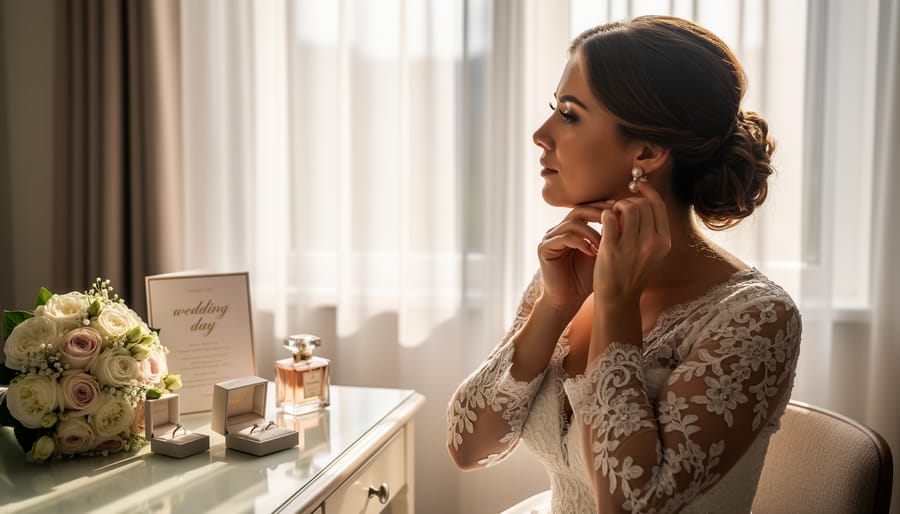
When you hand over a photography deposit, it can feel like you’re paying for a single Saturday. But the hours your photographer spends holding a camera on your wedding day are really just the visible tip of a much longer story.
Picture the weeks before. There’s the first conversation where you talk about your families, your venue, and the moment you’re most nervous about. There’s the timeline help, where a good photographer gently points out that golden light hits the garden at 6:40, so maybe the ceremony shouldn’t run late. That planning time is part of what you’re paying for, and it’s often the difference between a day that feels rushed and one that feels easy.
Then there’s the day itself, and everything that travels with it: gear, backups, insurance, and the drive to your venue. Many couples are surprised to learn that a short wedding day can still mean a long workday behind the scenes. If you’re comparing options, it helps to know how to choose a package that matches the way you actually want your day documented.
Here’s what typically sits inside a package price:
- Coverage hours: the time your photographer is actually with you, from getting ready to the first dance.
- Second shooter: an extra photographer, if included, who catches the reactions and angles the lead can’t be in two places for.
- Travel: the cost of getting to your venue, which can rise if it’s far from where your photographer is based.
- Editing and retouching: the hours spent culling thousands of frames and polishing the best ones so colors and skin tones look natural.
- Online gallery delivery: a private, shareable place to view and download your finished images.
- Print release: permission to print your photos wherever you like, rather than only through your photographer.
- Engagement session: an optional pre-wedding shoot that helps you get comfortable in front of the camera.
- Album: a keepsake book of your favorites, often an add-on rather than a given.
That last stretch, the editing, is where the unseen hours really pile up. For every hour of coverage, there can be several more spent sorting, adjusting, and perfecting. It’s quiet, patient work, and it’s why a finished gallery feels like a story instead of a pile of snapshots.
What ties it all together is the relationship. A photographer who has chatted with you beforehand, who knows your grandmother will need a seat near the front, who understands which moments you can’t live without, works differently on the day. They’re not hunting for pictures. They already know your story, and they’re there to protect it.
What Moves the Price Up or Down
Every photographer builds a quote a little differently, but the same handful of variables tend to move the number. Knowing which ones carry the most weight gives you real power, because a few small choices can protect your budget without shrinking your story.
Here’s a general ranking, from the factor that usually shifts a weekend quote the most to the one that shifts it the least, each with a quick way to save:
- Hours of coverage. More time means more of the day captured, and more editing afterward. Tip: book only the hours that hold your must-have moments, like the ceremony, portraits, and first dance.
- Day and season. Saturdays in peak months are the most requested dates, so they tend to cost more. Tip: ask about a Sunday or an off-peak month, which often opens up flexibility.
- Number of photographers. A second shooter adds coverage and cost. Tip: for a smaller guest list, one skilled photographer is often plenty.
- Location and travel. A venue far from your photographer’s home base can add travel time and lodging. Tip: choose a ceremony and reception site close together, or ask whether travel is built into the package.
- Guest count and timeline complexity. Multiple locations, a big family list, or a tight schedule demand more planning. Tip: keep your timeline simple and share a short family-photo list in advance.
- Rush delivery. Faster turnaround can carry a premium. Tip: plan for a standard delivery window so your photographer can work at a natural pace.
- Add-ons. Extra prints, engagement sessions, and keepsakes build up quietly. Tip: add them one at a time, only if they truly matter to you. When you’re ready to design your album you can decide then rather than committing upfront.
Notice how many of these are choices, not fixed costs. A Sunday date, a quieter season, or a tighter timeline can bring your total down while still giving you the heart of the day. It’s also worth knowing that a good photographer will meet you where you are. If your wedding includes a tea ceremony, a baraat, a jumping-the-broom moment, or a blend of traditions, an inclusive, versatile photographer can shape coverage around what matters in your culture and your family, so it never feels like a one-size-fits-all package.
The best way to see how these pieces fit together is to talk openly about your budget in a consultation. Tell your photographer what you can spend and what you can’t live without, and a thoughtful one will help you build coverage that honors both.
DIY Photography vs. Hiring a Pro: An Honest Look at the Trade-Offs

When money is tight, asking a friend or relying on guests’ phones feels like the obvious fix. And honestly, for some couples it is the right call. A courthouse ceremony with twelve people doesn’t need a full production. But before you cross photography off the list, it helps to see what DIY really costs.
The first hidden cost is gear. Your cousin’s camera might be wonderful at a backyard barbecue, but a dim reception hall is a different test. Borrowed equipment, unfamiliar settings, and a card that fills up mid-toast can all quietly steal moments you can’t recreate. Then there’s the editing. Hundreds of unsorted files from five different phones leave someone with weekends of sorting, color-matching, and cropping long after the honeymoon.
The heaviest cost is the emotional one. Asking a loved one to be the “official photographer” means they spend your wedding behind a lens instead of dancing, crying happy tears, or simply being a guest. And when they’re pulled away, who catches your grandmother’s face during the vows?
Here’s a fair look at both sides:
Pros
- Hiring a pro gives you consistent, polished images, even in tricky light.
- A professional stays on a timeline, so key moments aren’t missed.
- Your friends and family get to be guests, not unpaid staff.
- You receive a finished gallery you can print, share, and treasure for decades.
Cons
- A pro is a real line item in a budget already stretched thin.
- DIY costs little upfront, but can cost you irreplaceable moments.
- Guest photos feel casual and personal, but quality and coverage are unpredictable.
- Any professional package requires some planning and early booking.
If neither extreme feels right, there’s a gentle middle path. Book a short professional package for the hours that matter most, usually the ceremony, portraits, and first dance, and let friends capture the casual moments around them. You get the important frames done beautifully without paying for a full day. It’s also a smart way to use weekend coverage services without overspending.
Whichever route you choose, think about how you’ll hold the memories. Many couples love the tactile joy of flipping through 4×6 photo albums a lovely, affordable keepsake that pairs well with a mix of professional and guest-taken photos.
Smart Ways to Stretch Your Photography Budget Without Losing the Magic
Stretching a photography budget isn’t about cutting corners. It’s about knowing which moments you’ll want to relive in twenty years and putting your coverage exactly there.
Start with the moments that matter most. Before you talk packages, make a short list of your must-haves: the quiet getting-ready minutes, the first look, the vows, the family hug you’ve been dreaming about. If those happen within a tight window, a shorter weekend package can capture them beautifully, and you won’t pay for hours of coverage you didn’t need.
Build a simple timeline together. Photographers who work weekend weddings every season know how to shape a day so nothing gets missed. Share your ceremony time, venue details and any traditions that matter to your families, and let them help you cluster the big moments. A thoughtful timeline often does more for your photos than an extra hour on the clock.
Consider digital-only delivery. Printed albums are gorgeous, but a high-resolution online gallery gives you every image to share and print later when your budget has more room. Many couples start digital and add an album down the road.
Pair a short package with a mini engagement session. A relaxed pre-wedding shoot lets you get comfortable in front of the camera, gives you a few extra portraits for invitations or a welcome sign, and helps your photographer learn how you two move together. That familiarity can make a shorter wedding day feel full and unhurried.
Ask about payment plans. Many photographers will split the cost into installments around your booking date and the wedding. It never hurts to ask, and it can make the whole thing easier to carry.
When your photographer knows your story, the pet who’ll be in the ceremony, the grandmother who’ll cry at the first dance, the inside jokes, shorter coverage doesn’t feel like less. It feels intentional.
> [Client testimonial placeholder: insert a real quote from a couple whose budget-friendly wedding still felt full of heart. To be supplied from actual client feedback.]
The best first step is an honest consultation. Share your vision and your number openly, and a good photographer will help you build something that fits both.
Questions Couples Ask About Wedding Photography Costs
Let’s answer the questions couples ask us most, because a clear answer now can save you a stressful surprise later. Everything here is general guidance, so your photographer’s own policies and pricing will always be the final word.
Is a Sunday wedding cheaper to photograph?
Often, yes. Some photographers offer gentler pricing for Sundays or off-peak dates because those days are easier to fill, but it varies, so it’s worth asking whether a different day changes your quote.
Is my deposit refundable?
Most photographers use a deposit to hold your date, and many treat it as non-refundable since they turn other couples away to reserve it. Read your contract closely and ask what happens if your plans change.
Is a second photographer worth it?
It depends on your day. A second shooter can catch a different angle during the ceremony or a guest’s reaction you’d otherwise miss, but for an intimate wedding, one skilled photographer is often plenty.
How soon should I book?
As soon as your date and venue are settled. Popular weekend dates can fill many months ahead, though shorter, smaller packages sometimes have more flexibility closer to the date.
There’s one more question that comes up all the time, usually in a quieter voice: “Is shorter coverage really enough?” For many couples under a $10K budget, the answer is a happy yes. If you focus on the moments you’d ache to lose, like the ceremony, the first kiss, and the toasts, a thoughtfully planned half-day can feel complete. A photographer who knows your story can guide the timeline so nothing precious slips by.
If you’re still deciding how much coverage you need, a short engagement session can be a lovely, low-pressure way to meet your photographer, get comfortable in front of the camera, and ask every one of these questions face to face. And please don’t be shy about asking. A good photographer wants you to feel informed and at ease long before the big day arrives.
A wedding under $10,000 can still be photographed beautifully. That was the promise at the start, and it holds. A smaller budget doesn’t mean a smaller love story. It just means you get to be more intentional about where your photography dollars go.
The easiest way to do that is to match your coverage to your budget. Weekend wedding coverage services and packages let you choose the hours that matter most, whether that’s a short stretch around the ceremony or a fuller day from getting-ready moments through the first dance. If you’re also weighing how to spread your coverage across a busy weekend, our guide on welcome party vs dinner can help you decide which event deserves your photographer’s time.
What stretches a budget further than any trick, though, is a real relationship. When your photographer knows your story, your families, and the moments you’re hoping never to forget, even shorter coverage feels complete. You’re not a time slot on a calendar. You’re two people with a story worth telling, and the photographs should feel like it.
And if your plans grow beyond the wedding day, the same warmth carries over. We photograph weddings, family portraits, and corporate headshots, so the person who documents your celebration can also be there for the milestones that follow, from the first family photo with a new baby to a polished headshot for your next career chapter.
Every couple’s budget and vision look a little different, and that’s exactly why a conversation beats a price list. Tell us your date, your priorities, and the number you’re working with. We’ll shape a package around you, not the other way around.
Ready to see what’s possible? Reach out for a personalized quote and consultation, and let’s talk about how to capture your day beautifully, within your budget.