

Connect with recently engaged couples where they’re already celebrating. Visit bridal boutiques, florists, and stationery designers in your area and ask to leave business cards or portfolio books. These vendors talk to your ideal clients every single day, and a genuine relationship with them creates referrals that arrive pre-qualified and excited about your work.
Claim and optimize your Google Business Profile immediately. When couples search “wedding photographer near me,” you need to appear in those local results with stunning portfolio images, recent five-star reviews, and complete contact information. Most photographers ignore this free tool, giving you an easy competitive advantage.
Offer engagement sessions as standalone services, not just add-ons to wedding packages. Newly engaged couples book these months before selecting their wedding photographer, giving you the chance to build trust and showcase your ability to capture authentic connection. When they love their engagement photos, booking you for the wedding becomes the natural next step.
Show up consistently on Instagram and Pinterest with real wedding moments, not just posed portraits. Share behind-the-scenes stories about your couples, explain your approach to capturing candid emotion, and use location tags religiously. Brides spend hundreds of hours on these platforms during planning, and your visibility there directly translates to inquiries.
Join local wedding planning groups on Facebook where engaged couples ask for vendor recommendations daily. Don’t spam with self-promotion. Instead, offer genuine advice about photography timelines, what to look for in a photographer, and how to prepare for engagement sessions. When you provide value first, the recommendations follow naturally.
Why Traditional Marketing Falls Short for Wedding Photographers
You’ve probably tried the usual playbook. Maybe you invested in Facebook ads showcasing your best gallery, or you sent cold emails to recently engaged couples. Perhaps you’ve even paid for vendor directory listings, hoping someone would stumble across your name.
The results? Crickets. Or worse, inquiries from couples who ghost you after the first email.
Here’s the truth that most marketing guides won’t tell you: traditional advertising strategies that work brilliantly for selling products fall flat in the wedding photography world. Couples aren’t shopping for photographers the same way they’d browse for a new pair of shoes or compare tech gadgets. They’re inviting someone into the most vulnerable, joy-filled moments of their lives. They’re trusting you to preserve memories they’ll treasure for decades.
Think about it from their perspective. A bride scrolling through a generic ad sees beautiful images, sure. But those photos could be anyone’s wedding. There’s no story connecting her to you, no reason to believe you’ll understand her vision or calm her nerves on the big day. Your stunning portfolio might catch her eye for a moment, but without that deeper connection, she’ll keep scrolling.
Cold outreach feels even worse. Receiving an unsolicited pitch in their inbox makes couples feel like just another transaction, not the unique love story they know themselves to be. Wedding photography isn’t purchased through logic and feature comparisons. It’s chosen through trust, chemistry, and the feeling that this particular photographer truly gets them.
That emotional connection can’t be manufactured through paid ads or mass emails. It grows through authentic relationships and meaningful touchpoints.

Build Relationships Before You Need Them
Connect with Wedding Vendors Who Refer
Building meaningful relationships with other wedding vendors is one of the most powerful ways to find clients for wedding photography without relying solely on advertising. These professionals see engaged couples every single day, and when they trust your work and your character, they become enthusiastic advocates who send ideal clients your way.
The foundation of vendor relationships isn’t transactional. It’s built on genuine connection and mutual support. Start by identifying vendors whose aesthetic aligns with yours. If you specialize in romantic garden weddings, connect with florists who create organic, flowing arrangements. If you love modern, minimalist celebrations, seek out venues and planners who share that vision. This alignment ensures that when they recommend you, it’s a natural fit for their clients’ tastes.
Referrals are key because they come pre-qualified with trust. A couple already trusts their wedding planner or venue coordinator, so a recommendation from that person carries significant weight.
Consider these specific approaches for different vendor types:
- Wedding planners: Offer to photograph their styled shoots or provide complimentary headshots to build the relationship
- Venues: Create gallery images that showcase their space beautifully, which they can use for marketing
- Florists: Capture detailed shots of their arrangements and tag them on social media
- DJs and bands: Exchange referrals and celebrate each other’s work at events you share
- Caterers and cake artists: Prioritize photographing their creations at every wedding
Show up to vendor networking events not to collect business cards, but to learn about their businesses and challenges. Send handwritten notes after weddings thanking them for their collaboration. Share their work generously on your platforms. These small gestures create reciprocal goodwill that turns colleagues into champions of your business, resulting in a steady stream of referred clients who already believe you’re the right photographer for their celebration.

Engage with Engaged Couples Where They Already Are
Your future clients are already gathering online, sharing Pinterest boards, swapping vendor recommendations, and asking questions about everything from timeline planning to what to do when it rains on their big day. These wedding planning communities represent some of the most valuable spaces for connecting with engaged couples who genuinely need your services.
The key is showing up as a helpful resource, not a salesperson. Join Facebook groups dedicated to weddings in your area or specific wedding styles that align with your photography aesthetic. Browse Reddit’s wedding planning communities. Follow active discussions on wedding forums. Then listen first. Spend time understanding what couples actually worry about, what confuses them, what keeps them up at night as they plan.
When you do contribute, lead with generosity. Answer questions about photography timelines without pitching your services. Share genuinely useful advice about creating a shot list or working with difficult lighting at outdoor venues. Offer perspective on what makes couples feel comfortable in front of the camera. Your expertise becomes visible through helpfulness, not self-promotion.
Most groups have rules against blatant advertising, and that’s actually perfect. It forces you to build trust the right way. When someone specifically asks for photographer recommendations in your area, that’s your moment to briefly mention your availability with a link. But you’ll find that consistent, authentic participation often leads couples to reach out directly after seeing your thoughtful responses over time.
This approach takes patience. You won’t book a wedding from every comment you leave. But you’re planting seeds in spaces where your ideal clients are already actively searching for guidance, building recognition and credibility that translates into inquiries from couples who already feel like they know you.
Create a Portfolio That Tells Stories, Not Just Shows Pictures
Your portfolio is your most powerful tool for finding wedding photography clients, but only if you’re using it correctly. Too many photographers fill their galleries with technically flawless images that leave couples feeling cold. The truth is, engaged couples scrolling through your work aren’t looking for perfect lighting ratios or razor-sharp focus. They’re searching for proof that you can capture the feeling of their wedding day.
Think about how you structure your portfolio. Instead of random collections of pretty pictures, organize your work into complete wedding stories. Show the nervous hands buttoning a dress, the tearful father seeing his daughter for the first time, the explosive joy on the dance floor. Guide potential clients through an entire day so they can imagine themselves in those moments.
This narrative approach does something magical. It helps couples connect emotionally before they ever contact you. When someone sees a full wedding story rather than disconnected highlights, they begin picturing their own ceremony, their own reception, their own quiet moments. That emotional investment is what transforms a casual browser into an inquiry.
Don’t be afraid to include imperfect moments that carry real emotion. The shot where grandma laughs so hard her eyes are closed? That belongs in your portfolio. The slightly blurred image of the couple running through sparklers? That feeling of movement and excitement matters more than technical precision.
Captions matter too. Share brief snippets about the couples you’ve photographed. Mention how nervous the groom was, or how the bride insisted on golden hour photos despite the rain. These details create connection and show that you see people, not just subjects to photograph.
Remember, your portfolio should answer one question above all others: Can this photographer tell our story? Make sure every gallery you share screams yes.
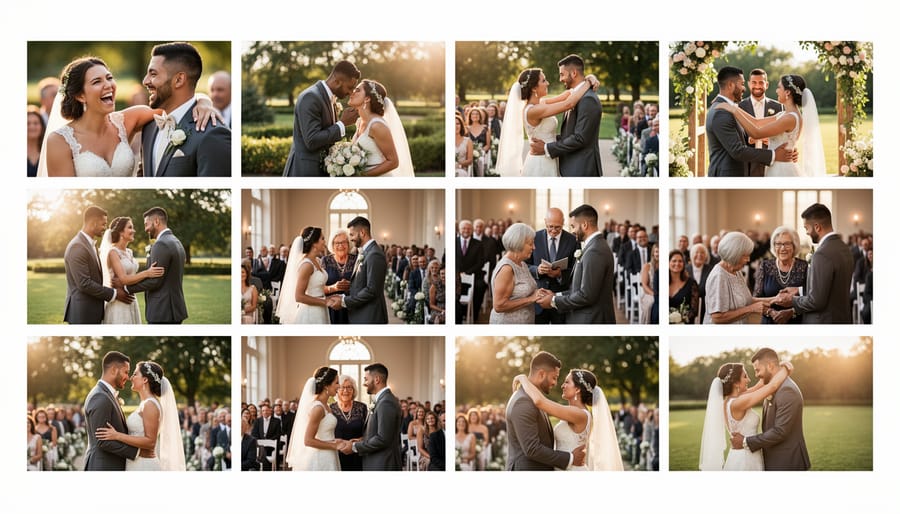
Turn Every Client Into Your Best Referral Source
The Pre-Wedding Experience That Sets You Apart
Your client experience begins the moment someone says yes to booking you, and how you handle this journey determines whether they simply hire you or become enthusiastic advocates who bring you future clients.
Start with a welcome packet that feels personal. Include a handwritten note thanking them for their trust, along with a beautifully designed guide that walks them through what to expect. This isn’t about overwhelming them with contracts and fine print. It’s about making them feel cared for from day one.
Schedule an engagement session not as an add-on, but as an essential relationship builder. This relaxed shoot lets you learn how they interact, what makes them laugh, and which angles flatter them most. You’re not just creating beautiful images for save-the-dates. You’re building trust so they’re completely comfortable with you on their wedding day.
Create intentional check-ins throughout their planning journey. A quick message asking how venue hunting is going or sharing inspiration that matches their style shows you’re invested in more than just the photography contract. These small gestures build genuine connection.
Send a detailed timeline consultation a few weeks before the wedding. Walk through the day’s flow, suggest ideal lighting moments, and help them understand how to build in time for the portraits they want. This positions you as a helpful partner, not just a vendor showing up with a camera.
The couples who rave about you to their newly engaged friends aren’t just impressed by your portfolio. They’re blown away by how you made them feel throughout the entire experience. That emotional connection becomes your most powerful marketing tool.
Stay Connected After the Wedding Day
Your relationship with clients shouldn’t end when you deliver their wedding gallery. The couples who trusted you to capture one of the most important days of their lives can become your greatest advocates, sending referrals your way for years to come. But this only happens if you stay genuinely connected.
Start by sending a handwritten anniversary card during their first year of marriage. Include a personal note referencing a specific moment from their day. This simple gesture reminds them that you remember their story, not just their invoice number.
Create a thoughtful email sequence that goes beyond promotional blasts. Share tips for displaying wedding photos, anniversary gift ideas, or even recipes for recreating their wedding cake. Every few months, check in with something valuable rather than salesy. When they’re expecting their first baby or ready for family portraits, you’ll be the photographer they think of first.
Consider hosting an annual client appreciation event. A casual gathering at a local venue, perhaps during the holiday season, gives past couples a chance to reconnect with you and meet other clients. These relationships often blossom into friendships, and friends naturally recommend friends.
Social media makes staying connected easier than ever. Comment meaningfully on their life updates. Celebrate their milestones. When you share their photos again on your anniversary posts, tag them and share what made their wedding special. This visibility reminds their entire network that you’re the photographer behind those beautiful images.
The goal isn’t to pester past clients for business. It’s to genuinely care about the people whose stories you’ve documented, creating a community that naturally thinks of you when photography needs arise.
Leverage Your Unique Story and Personality
Your story matters more than you might realize. In a saturated market where countless photographers offer similar packages and portfolios, the thing that truly sets you apart isn’t your camera equipment or editing style. It’s you.
Think about who you are beyond the viewfinder. Maybe you’re a hopeless romantic who tears up at every first look. Perhaps you’re the adventurous type who’ll climb a mountainside for the perfect golden hour shot. You might be deeply rooted in your cultural community, understanding traditions that others overlook. Whatever makes you uniquely you should shine through in everything you share with potential clients.
Start weaving your personal narrative into your marketing. Share why you became a wedding photographer. Was it your own wedding that sparked the passion? Did you grow up documenting family gatherings? These authentic details create emotional bridges between you and couples searching for someone who truly understands them.
Your values matter too. If sustainability drives your decisions, talk about your eco-friendly album options. If you’re committed to celebrating love in all its forms, make that crystal clear on your website and social media. Couples who share these values will gravitate toward you naturally.
Don’t hide your personality behind a polished, generic brand. Let it show in your Instagram captions, your blog posts, your consultations. Use humor if that’s who you are. Share your quirks. The couple who loves your dad jokes and travel stories? They’re going to be so much more fun to work with than clients who chose you solely based on price.
This authenticity does something powerful: it pre-qualifies your inquiries. You’ll attract clients who already like you before you’ve even met. That connection translates into trust, easier bookings, and relationships that often extend well beyond the wedding day itself.
Make Your Online Presence Work Harder for You
Optimize Your Website for Couples Who Are Ready to Book
Your website isn’t just a digital portfolio. It’s your most powerful tool for turning curious browsers into enthusiastic clients ready to book their wedding photography. Think of it as your 24/7 sales representative, working to build trust and answer questions even while you sleep.
Start with galleries that tell complete stories. Don’t just showcase your best individual images. Organize full wedding days so couples can envision their own celebration through your lens. They want to see the morning preparations, the ceremony tears, the reception dancing. Show them the emotional arc of a wedding day, not just isolated pretty moments.
Your homepage needs clarity above all else. Within seconds, visitors should understand who you are, what you photograph, and how to take the next step. Feature a compelling hero image that captures genuine emotion, a brief introduction that connects personally, and a clear call to action. “Inquire About Your Date” works better than a generic “Contact” button.
Make reaching you effortless. Offer multiple contact methods because different couples prefer different approaches. A simple contact form, visible phone number, and email address remove barriers. Consider adding a pricing guide or starting investment information. Transparency builds trust, and couples appreciate knowing whether you fit their budget before investing time in an inquiry.
Include genuine testimonials prominently. Real stories from past couples carry more weight than any description you could write about yourself. They provide social proof and help hesitant visitors feel confident about reaching out.
Fast loading times and mobile optimization matter more than you might realize. Most couples browse wedding vendors from their phones during lunch breaks or evening couch sessions.
Use Social Media to Build Trust, Not Just Followers
Social media isn’t about racking up likes or hitting follower milestones. It’s about creating genuine connections with the people who will eventually trust you with one of the most important days of their lives. Research shows that authenticity influences consumer trust which means your behind-the-scenes moments matter just as much as your polished portfolio shots.
Share the real you. Show yourself setting up equipment at 5 AM to catch golden hour light. Tell the story of the nervous groom you calmed down before his first look. Post those candid moments between formal portraits when everyone’s laughing and you’re just observing. These glimpses into your process help potential clients envision what it’s like to work with you.
Respond to every comment and direct message personally. Not with copy-paste responses, but with real conversation. Ask couples about their venues. Congratulate them on their engagement. Remember details they’ve shared and bring them up later. This takes time, but you’re not building a follower count. You’re building relationships.
Create content that serves your audience rather than just showcases your work. Share tips about planning engagement sessions. Offer advice about wedding day timelines. Help couples understand what to look for when booking vendors. Position yourself as their helpful guide, not just another photographer shouting for attention. The couples who feel like they already know you before the consultation call are the ones who’ll choose you over photographers with bigger followings but zero connection.

Ask for What You Want (The Right Way)
The best clients will never come from a billboard or a generic ad. They come from the people who already love your work. But here’s the thing: most photographers wait for referrals to happen naturally, missing countless opportunities simply because they never asked.
There’s nothing pushy about requesting a review from a couple who just received their gallery and texted you three heart-eye emojis. They’re already thrilled. You’re simply giving them a way to share that joy. Send a personal message a week after delivery: “I’m so glad you love your photos! If you have a moment, a review on Google or The Knot would mean the world to me and help other couples find me.” Make it easy. Include direct links.
The same goes for vendor partners. That florist who complimented your detail shots at the last three weddings? She has brides asking for photographer recommendations every week. A simple coffee meeting where you express genuine appreciation for her work and mention you’d love to collaborate more often plants the seed naturally.
Testimonials deserve a slightly different approach. Rather than asking for a generic review, guide happy clients with specific prompts: “What convinced you to book me?” or “How did you feel when you first saw your photos?” These questions spark emotional, detailed responses that resonate far more than “Great photographer, highly recommend!”
Timing matters tremendously. Ask for reviews when excitement peaks, not months later when the memory has faded. For referrals, stay top of mind by checking in on anniversaries or sharing a favorite image from their day.
The secret is authenticity. You’re not begging for business. You’re creating pathways for people who genuinely appreciate your talent to help you reach couples who need exactly what you offer.
Finding wedding photography clients isn’t about mastering the latest algorithm or perfecting your sales pitch. It’s about showing up as yourself and building relationships that matter. Every conversation, every consultation, every time you go the extra mile to understand what a couple truly wants for their celebration, you’re creating something far more valuable than a transaction. You’re building trust.
The photographers who thrive in this industry aren’t necessarily the ones with the biggest marketing budgets or the most Instagram followers. They’re the ones couples remember because they felt seen, heard, and understood. They’re the ones who turned nervous brides into relaxed friends during engagement sessions. The ones who remembered that detail about the grandmother’s vintage handkerchief and made sure to capture it.
Your unique perspective, the way you connect with people, the care you put into understanding their story, these are the qualities no competitor can replicate. They’re what transform first-time clients into lifelong advocates who can’t stop talking about their experience with you.
So yes, implement the strategies that feel right for your business. Build your presence where your ideal clients spend their time. But never forget that your greatest marketing asset isn’t a tactic or a template. It’s the genuine relationships you create and the exceptional experiences you deliver. That’s what brings clients back, what inspires referrals, and what builds a photography business that doesn’t just survive but flourishes for years to come.